2 posts tagged with "AIoT"

Posts about AIoT

View all tags

The AIoT Revolution in the Oil and Gas Industry

· 2 min read
Eric Shams
Executive Director at Paapeli

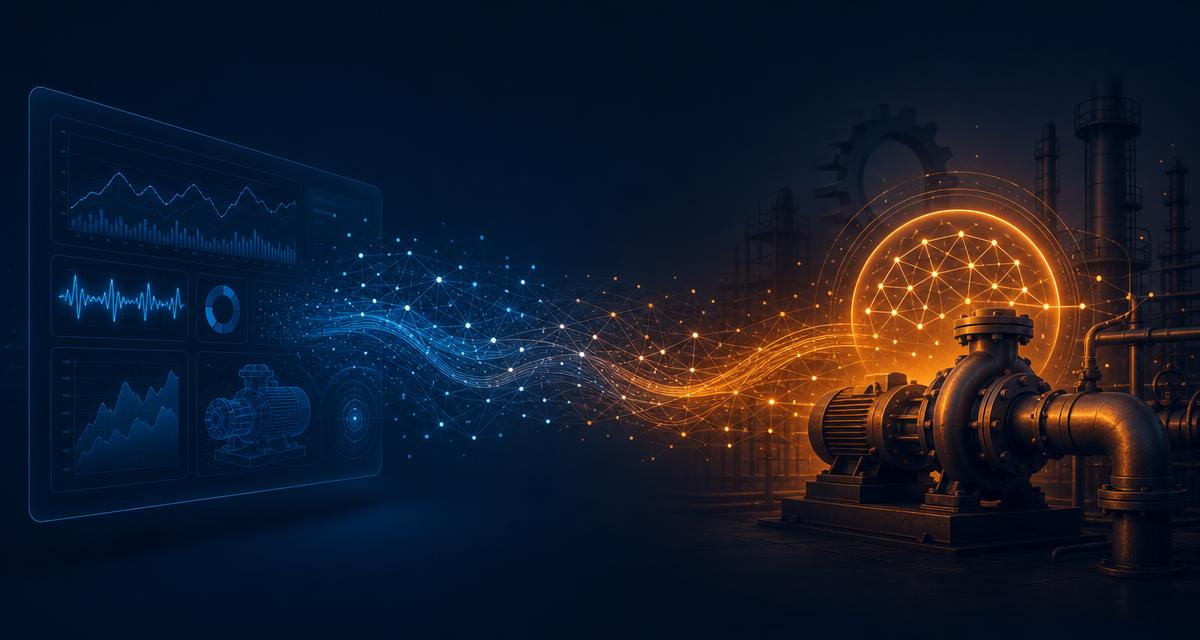
In recent years, the integration of the Internet of Things with Artificial Intelligence, known as AIoT, has created a new path for technological transformation in critical sectors, especially the oil and gas industry. The article Insights of Oil-Gas AIoT highlights how this emerging field can address major industry challenges related to data collection, transmission, and analysis. AIoT enables a higher level of automation and operational intelligence that leads to more accurate processes with reduced risk.

One of the key advantages of AIoT is the ability to process data close to the source. This approach, widely known as Edge Computing, reduces the dependency on continuous data transfer to central servers and significantly increases the speed of decision-making. In sensitive environments such as oil fields or refineries, this capability enhances system stability, minimizes delays, and improves responsiveness during unexpected operational events.

AIoT goes beyond simple monitoring. It can analyze behavioral patterns in equipment and identify potential issues before they occur. This predictive capability reduces breakdowns, lowers operational costs, and increases overall system efficiency. The article emphasizes that machine learning models and predictive analytics have the potential to redefine operational excellence in the global energy sector.

Ultimately, AIoT envisions a future in which data is not only observed but transformed into practical actions and informed decisions. This perspective sets the direction for the next generation of intelligent infrastructure. Platforms like Paapeli are built around this vision with the goal of providing real, measurable value in high-impact sectors such as oil and gas.

AIoT: The New Generation of Intelligent IoT

· 2 min read
Eric Shams
Executive Director at Paapeli

The world of the Internet of Things (IoT) has grown rapidly in recent years, but the arrival of Artificial Intelligence (AI) has taken it to an entirely new level. The combination of these two technologies, known as AIoT (Artificial Intelligence of Things), creates a new class of intelligent systems that not only collect data but also analyze it in real time and make smart, autonomous decisions. Devices are now evolving from simple “data reporters” to active, intelligent “decision-makers.”

In the past, IoT mainly focused on sensors, connectivity, and monitoring dashboards. But with AIoT, artificial intelligence is applied to IoT-generated data, enabling systems to predict events, optimize operations, and detect failures before they happen. This shift has transformed industries such as oil and gas, smart cities, manufacturing, energy, logistics, and healthcare by unlocking a new level of efficiency and operational intelligence.

A key advantage of AIoT is edge computing, where part of the data processing happens directly on the device or on-site instead of relying entirely on the cloud. This leads to faster response times, reduced dependence on connectivity, and improved data security. For industries that require instant, real-time decisions, such as production lines, autonomous machines, industrial robots, or oil field operations, this capability is crucial.

Ultimately, AIoT represents the future of intelligent systems: unified, automated, predictive, and secure. Platforms like Paapeli are built around this vision. systems that don’t just collect data but turn it into insights, actions, and real business value. AIoT isn’t just another technology trend, it's the beginning of a new generation of smart infrastructure across the world.